Flint Studio is the creative workspace for designers who want AI in their practice without losing their voice. Spark ✦ with Flint from a canvas of your references.
✦ Join the waitlistFlint is built on a conviction: artificial intelligence belongs at the core of creative work — but the judgment stays with you. Most AI design tools are prompt in, picture out. A sentence goes in, a single image comes back, the tool forgets you by morning. Flint ✦ is something else — a canvas you can build on, where your references, your sketches, and your half-formed intuitions live on the same surface. The agent proposes. You decide.
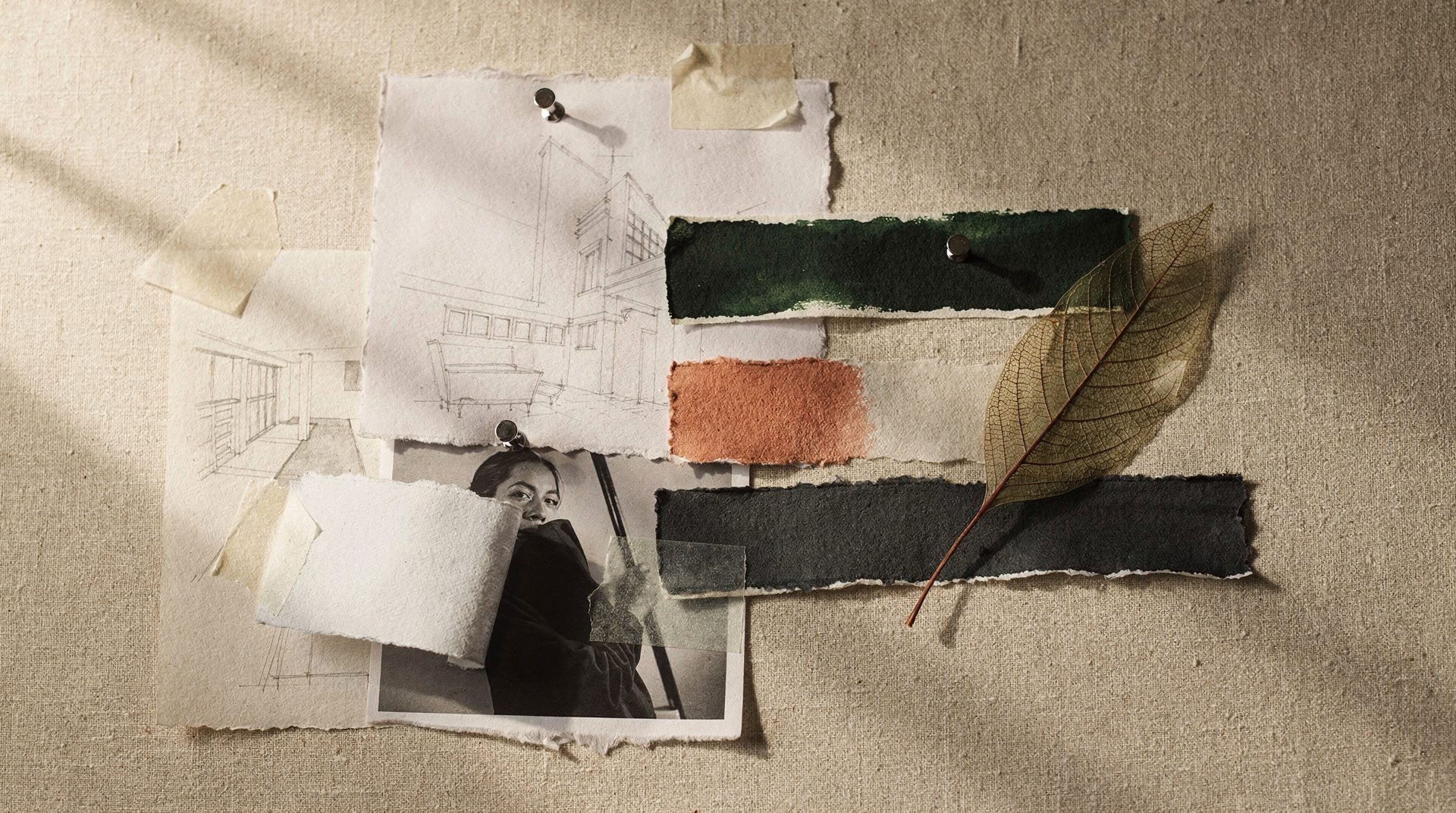
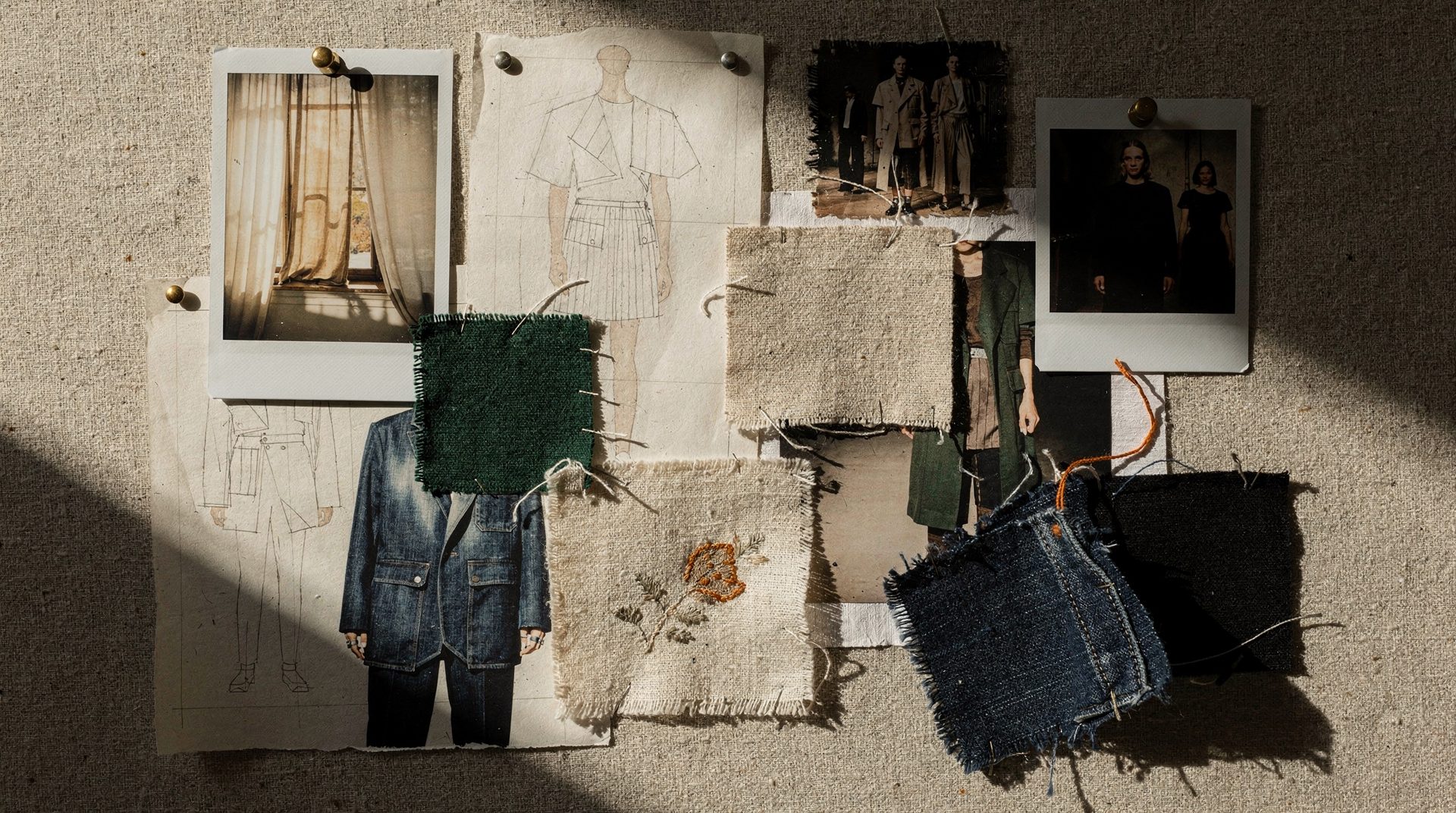
Drop in tearsheets, photographs, swatches, sketches. Arrange them spatially — however you already think. Tag anything as a reference and Flint picks up the context you've built. Start a Spark from anywhere on the canvas; the work you've already done does the talking.
Work the way you've always worked — drawing, layers, shapes, colours. Flint sits alongside as a second pair of hands: offering variations, cleaning up a curve, filling a palette, annotating a technical flat. Every change is a checkpoint. Nothing is ever lost.
We believe AI should nurture human creativity, not replace it. Flint keeps the designer's judgment in every frame.
The first sparks go out to apparel designers. But the canvas is for anyone whose work is thought-and-material — whose references live on pinboards, whose ideas live on paper before they live on screens.
Freelancing or in-house, moodboarding for the next collection. Tired of five tools for what feels like one job. Curious about AI. Protective of her voice.
At CSM, Parsons, LCF, RCA or anywhere a studio has good light. On Procreate daily. Free to try things. Needs a tool that treats her as already professional.
At a brand with a real library, a real process, real concerns about confidentiality. Needs a tool she can recommend to a creative director without explaining it.
Reads "apparel-first" and hears "soon." You're welcome here already. The canvas doesn't know what discipline you practise, and Flint reads whatever you bring.
Pin anything — runway photos, fabric swatches, your own sketches, screenshots from films, pressed leaves. The canvas is local, private, and yours. Organise however you think.
Drop a Spark anywhere on the canvas, or beside a sketch you're working on. Describe what you want. Flint reads the references and notes you've already pinned, proposes a direction — and waits for you to say yes.
Every generation is a checkpoint you can return to. Approve, try again, keep two versions side by side. The file on your disk stays yours — open format, no lock-in. Flint leaves when you close the studio.
Every project is a folder. Every canvas is a standard file any tool can read. Every sketch stays a readable drawing. Open them in ten years, in another app, on another machine — they'll still make sense. Nothing is trapped.
The tool recedes.
Your work is the content. The app is almost colourless by design — the ember accent exists so it can be rare, a single point of heat in a cool field.
Your files, on your disk.
Every project is a folder you can see, move, back up, send to a friend. No cloud lock-in. No proprietary format. No permission slip to open your own work. Zip it and share it like anything else.
Generous by default.
The free version is the whole product, not a trial. Paid plans add convenience and professional features — style tuning, team sharing, priority generation — never to gate the core. If you're making a living with Flint, we're glad you are.
No paywall on sharing.
Publishing a canvas is free on every tier. Every shared page carries provenance, not an upsell. Community and distribution matter more than short-term revenue extraction.
Flint Studio opens in closed beta first to working apparel designers, design-school students, and a handful of practitioners from adjacent visual disciplines. Join the waitlist and tell us what you make.
We'll be in touch soon — expect a real email from a real person, not an automated sequence.